
Welcome to Silver Maple Veterinary Clinic!
Welcome to Silver Maple Veterinary Clinic, a family-owned and operated veterinarian practice for over 30 years, where we take pride in being the polar opposite of corporate-style clinics. We pride ourselves in our open-door policy and community-oriented approach reflecting our commitment to treating every family with the best possible care. We are not your typical veterinarian practice! We are problem solvers who embrace complicated and challenging cases. With our many years of experience, you can expect to find answers here. With comprehensive services, we offer far more than your average general practice. Yet, we’re not a referral practice either; we handle everything in-house, ensuring continuity and convenience for you and your beloved pets.
Schedule Appointment
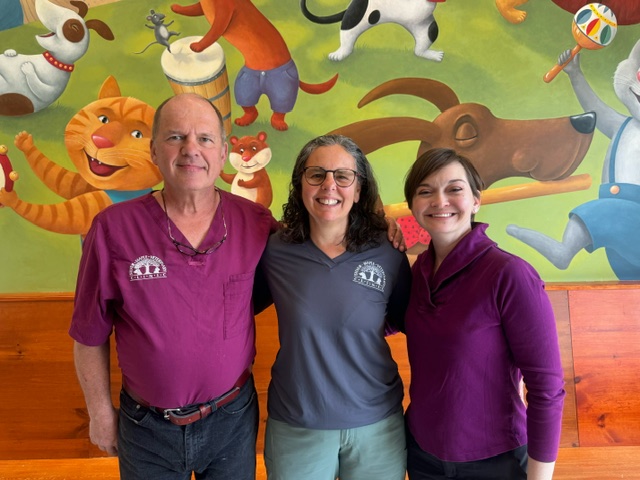
Meet Our Amazing Team
Our team is a tight-knit group of exceptional professionals who genuinely care about providing all-encompassing and professional attention for your animals. At Silver Maple, we believe in offering diagnosis-oriented care, ensuring that you receive answers and solutions promptly. Our mission is simple yet profound: “We treat each patient as if it were our own.” Because to us, our clients aren’t just customers – they’re our friends and neighbors, deserving nothing less than exceptional service and genuine concern.
Meet The Team
Why Choose Us?
Comprehensive Veterinarian Services
At Silver Maple Veterinary Clinic, we’re not your typical practice, and neither are our veterinarian services. We provide comprehensive care tailored to your pet’s needs with a wide range of services including orthopedic surgeries, rehabilitation, acupuncture, stem cell therapy, PRP, and ultrasound.
In-House Expertise
Unlike many clinics, we handle everything in-house, letting you trust that your pet’s care is seamlessly coordinated and provided by our experienced veterinarian team from start to finish. This also helps alleviate stress for your pet during transfer.
Family-Owned and Operated
As a family-owned and operated veterinarian practice, we have prioritized building lasting relationships with our clients and their furry companions for over 30 years. You’ll feel the warmth and personal touch the second you walk through our doors.
Prompt Veterinarian Diagnosis and Treatment
We believe in holistic, diagnosis-oriented care, striving to provide answers and solutions promptly. You’ll never wait weeks for results or treatment plans, always acting swiftly to ensure your pet’s well-being.
Compassionate Veterinarian Team
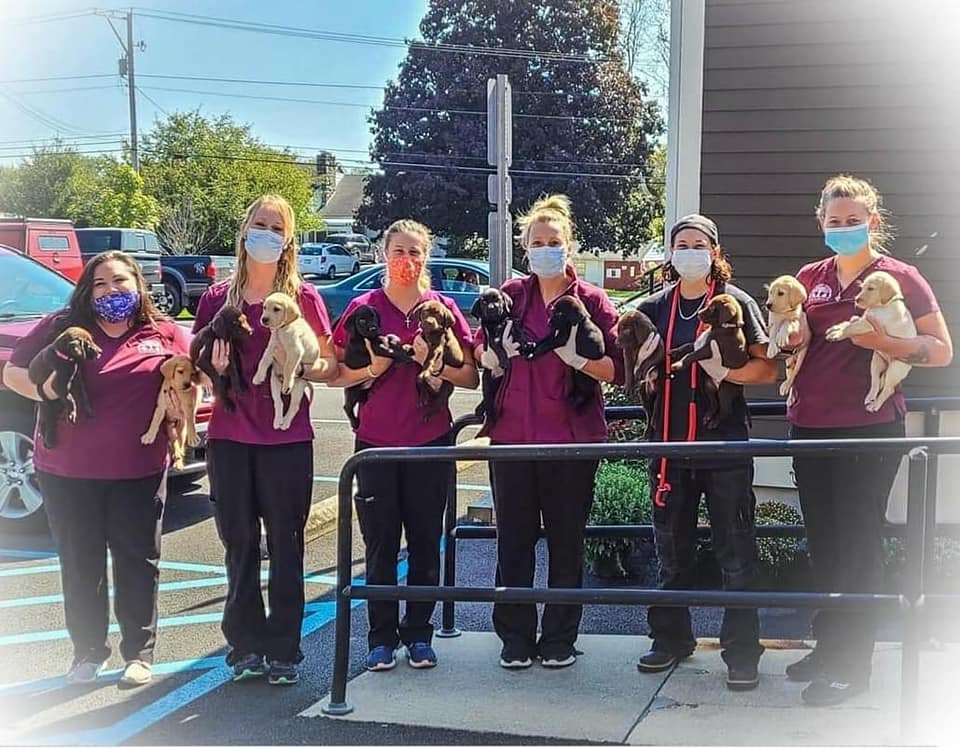
Our team is a tight-knit group of exceptional veterinarians who genuinely care about providing all-encompassing and professional attention for your animals. We treat each patient as if they were our own because your pets are family to us.
Client-Centered Philosophy
We prioritize courtesy, patience, and genuine concern for you and your pets because your trust and goodwill mean everything to us. As your veterinarian, that’s why you’re not just a client – you’re our family and neighbor, and we’re glad you’re here.
Cutting-Edge Surgeries
From complex surgeries to routine procedures, we stay at the forefront of advanced veterinary medicine. Our state-of-the-art facilities and experienced surgeons ensure your pet receives the highest standard of care, no matter the procedure.
Privately Owned and Pet-Focused
As a privately owned veterinary clinic, we prioritize your pet’s well-being above all else but also have a focus on providing the best possible care for your furry family members, without the distractions or constraints of corporate agendas.
Our Comprehensive Services
Our Comprehensive Services
A Message From Our Founders
Welcome to Silver Maple Veterinary Clinic, where we strive to treat each and every pet as if it were one of our own. For over 30 years, Dr. Sam and I have put our heart and soul into developing a great facility, hiring talented staff, and implementing the most up-to-date procedures.
We blend the old and the new with perfect balance: we have many years of clinical experience, alongside all of the latest medical and surgical information. Our experience means there is little second guessing when we are helping your pet with a problem.
We are very proud to offer many extensive surgical procedures that are now being done at referral hospitals. Blending in alternative therapies allows us to offer the most options for your family member.
Most importantly, we are your neighbors, friends, and fellow pet lovers. We applaud you for being a responsible parent and choosing the best of care for your precious friend. Feel free to explore our site or come visit with us anytime.
– Drs. Annemarie and Sam Yoder
Our Mission and Philosophy

Receive Pet Care from Home
Silver Maple Veterinary Clinic is now offering remote healthcare services with TeleVet! With the TeleVet app you can easily send virtual consultation requests to us whenever your pet is sick or injured. To get started, download the TeleVet app!
Download Televet
Schedule Using PetDesk
Effortlessly stay on top of your pet’s health with PetDesk, your all-in-one pet care solution. Use PetDesk to request appointments 24/7, get all of your reminders synced to your calendar, request and refill medications, and track your monthly medication reminders and other recurring tasks.
Download PetDesk!
Reviews
Frequently Asked Questions
What types of pets do you treat?
At Silver Maple Veterinary Clinic, we treat the following types of pets
- Cats
- Dogs
- Rabbits
- Ferrets
- Guinea Pigs
- Hamsters
Do you accept emergencies?
During business hours, we are able to take emergency cases. We ask that you call ahead so our team can assess the situation before you bring in your pet.
If you have an emergency after hours, we recommend Eastern PA Emergency, RUSH Urgent Care, Blue Pearl.
Learn More
Do you accept appointments? Do you accept walk-ins?
Yes, we offer and prefer that you request an appointment before your visit to our practice!
Schedule Appointment
What are your hours of operation?
Mon, Tue, Wed, Thur: -
Fr: -
Sat: -
Sun: Closed
Fr: -
Sat: -
Sun: Closed
What types of payment methods do you accept?
Silver Maple Veterinary Clinic is happy to accept the following:
- Cash
- Check (with valid ID)
- Debit Card
- Visa
- MasterCard
- Discover
- American Express
- CareCredit
View Payment Options
Latest News
Spirit Pole Fundraiser
Memorial Copper Paw Prints are available to purchase. This is a great way to honor a pet that has crossed the rainbow bridge. The paw prints are $50 each, and proceeds go towards Silver Maple’s Mooch Fund. The Mooch Fund helps pet owners in need of veterinarian…
Read More

Help Stop the Overpopulation and Abuse of Cats and Dogs in Aruba
Nine Lives Aruba Foundation is a registered foundation in Aruba (KvK# S1631) comprised of a group of animal lovers from Aruba and the United States who have joined forces to stop the overpopulation and abuse of cats and dogs in Aruba.
Learn More